


Drift is being wound down. In early March 2026, Clari and Salesloft announced a gradual sunset of the Drift conversational marketing product and named 1mind as its exclusive successor, with existing customers referred rather than migrated. No end-of-life date has been published. The right replacement depends on what you used Drift for. For qualifying leads and booking meetings automatically, OnceHub. For Salesforce-native ABM, Qualified. For inbound routing, Chili Piper. For support, Intercom. For the vendor-sanctioned path, 1mind. For de-anonymizing traffic, Warmly. For budget SMB chat, Tidio or Crisp.
If you built your website conversion strategy around Drift, you already know something is wrong. Sales calls stopped. The roadmap went quiet. And at some point you typed drift.com into a browser and ended up on a Salesloft page telling you the product had transitioned to something else.
Here is what actually happened, and what to do about it.
What happened to Drift
The short version, with dates.
Salesloft acquired Drift in February 2024. Salesloft and Clari merged in late 2025. Then in early March 2026, Clari and Salesloft announced the gradual sunset of the Drift conversational marketing solution and an exclusive agreement naming the AI sales company 1mind as its successor.
Three details matter more than the headline.
No end-of-life date has been published
Several articles imply that Drift switched off in March 2026. It did not. March was the announcement, not the shutdown, and the wind-down is gradual. Existing tenants are still being served.
That is better news than a hard cutoff, but it is worse in one specific way. Without a deadline, nothing forces a decision, and teams that wait for an official date tend to end up migrating in a hurry rather than on their own terms.
Customers are being referred, not automatically migrated
The language in the announcement is that Clari and Salesloft will refer existing Drift clients to 1mind. This distinction is critical.
A referral is an introduction. It is not a migration path, a data export, or any guarantee that the playbooks, routing rules, and conversation history you built in Drift will carry over. Plan on rebuilding rather than transferring.
Active development has stopped
Salesloft is no longer selling Drift, and drift.com now redirects to a Salesloft page stating that the company has transitioned from Drift to 1mind.
Whatever the official timeline turns out to be, the product you are running is no longer being improved.
If you are still on Drift, treat it as already in wind-down rather than waiting for an official date.
Why teams were leaving anyway
The sunset accelerated a migration trend that was already underway. Understanding these friction points helps shape what you should replace Drift with.
The gap between the chat and the calendar
Drift was good at starting conversations and considerably weaker at finishing them. A visitor would engage, show real intent, and then the conversation would end with an email capture and a promise that someone would follow up.
The browser tab closed, and the intent went with it.
Dependence on live humans
The model assumed an SDR was sitting there. When reps were in a meeting, at lunch, or asleep because the visitor was in another time zone, high-intent traffic hit a message form instead of a person.
For a tool sold on real-time engagement, that is a structural problem rather than a staffing one. The same gap shows up across live channels, driving adoption of automated AI receptionists.
Security and reliability concerns
Security vulnerabilities also drove customer exits. In August 2025, Drift suffered a major security incident involving compromised OAuth tokens. Attackers exploited these tokens to gain unauthorized access to connected Salesforce environments, creating significant data exposure risks for enterprise clients.
Price measured against outcome
Drift never published pricing publicly and still does not. The pricing page redirects to Salesloft, and the tiers were quote-based.
What is not in dispute is that Drift sat at the enterprise end of the market. Enterprise pricing becomes hard to defend when the measurable output is email addresses rather than booked meetings.
The 8 best Drift alternatives in 2026
Grouped by core primary use case: pipeline generation, account intelligence, inbound routing, or customer support.
1.OnceHub: best for qualifying leads and booking meetings
OnceHub started as a scheduling platform and grew a chat layer on top, which is the reverse of how most tools in this category were built. That order of operations shows up in what it does well and what it does not.
The gap it fills: the handoff between conversation and calendar, which is where Drift leaked.
Rather than waiting for a live rep, OnceHub's website chatbot screens visitors with customized qualification questions, then acts instantly on their responses.
If they qualify, the chat surfaces the right account executive's live availability and books the meeting inside the widget. Not a link emailed afterward, not a request for a time. The meeting exists before the visitor leaves the page.
If they do not, they get redirected to something useful instead of a calendar slot. A pricing page, a recorded demo, a self-serve trial. Nobody is rejected, and your AEs are not spending Thursday on calls that were never going to convert.
The branching logic lives in routing forms, which means the same qualification applies whether the lead arrives through chat, a web form, or a phone line.
If your team runs several products or territories, Booking Hubs group AE calendars under one structure so a prospect reaches the right rep rather than a shared queue, and availability rules with buffers stop meetings landing back to back against prep time.
Best for: mid-market B2B teams, agencies, and consultants who want web traffic turned into scheduled pipeline without an SDR sitting on the widget.
Pricing: paid plans start with accessible tier options, with routing available on higher plans.
2. Qualified: best for Salesforce-native enterprise
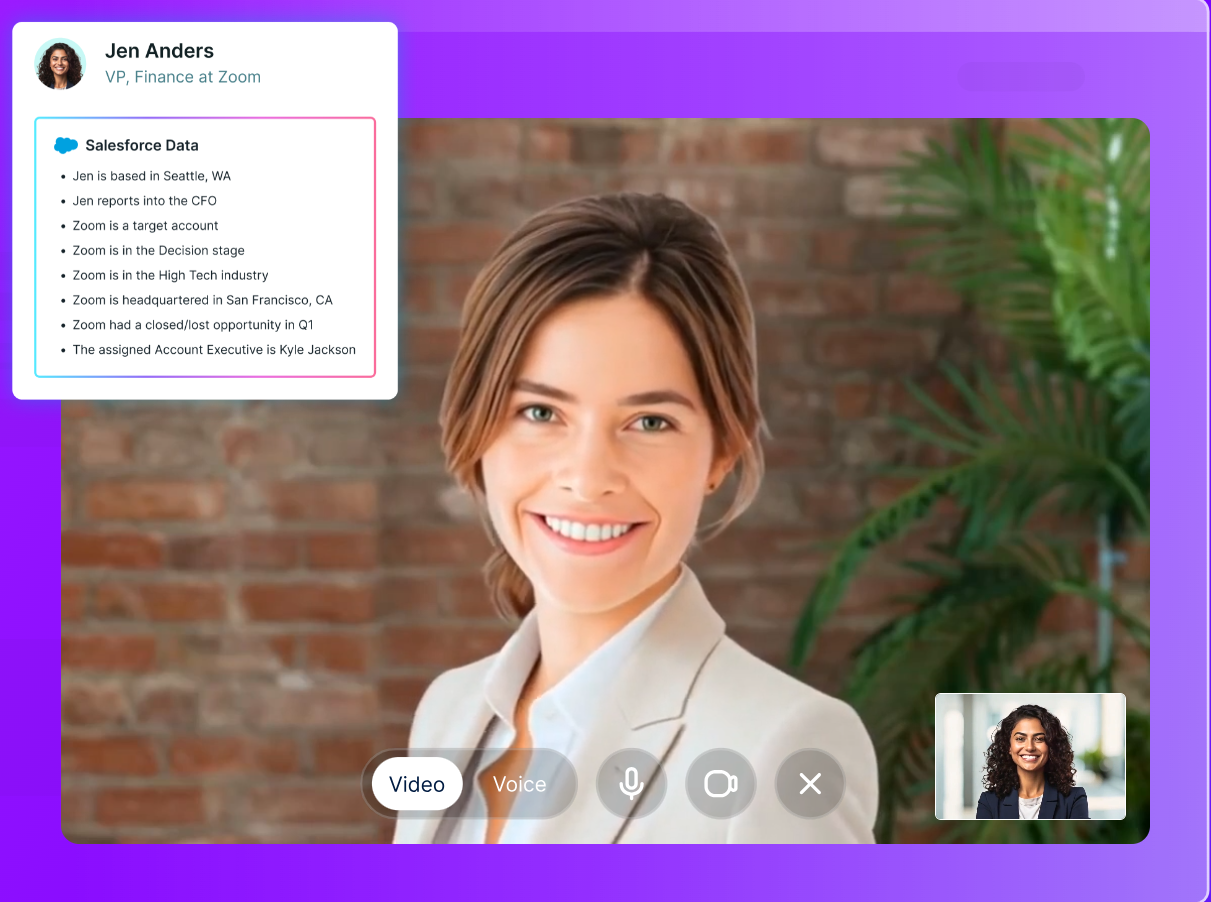
Qualified offers a conversational sales platform that integrates deeply with Salesforce and supports multi-CRM environments via HubSpot integrations. It is aimed squarely at enterprise ABM teams with defined target account lists.
Why it wins: Qualified provides deep CRM integration. For ABM teams, that matters. It de-anonymizes website traffic, matches visitors to target accounts, and alerts the owning rep when someone from a named account is on the site.
If your motion is "we have a list of 200 target accounts and we want to know the second one of them visits," this is the strongest product in the category.
The trade-off: it sits at an enterprise price point, and its value depends heavily on your CRM data being well-maintained. If your CRM records are messy, account matching accuracy suffers.
3. Intercom: best for support, not sales
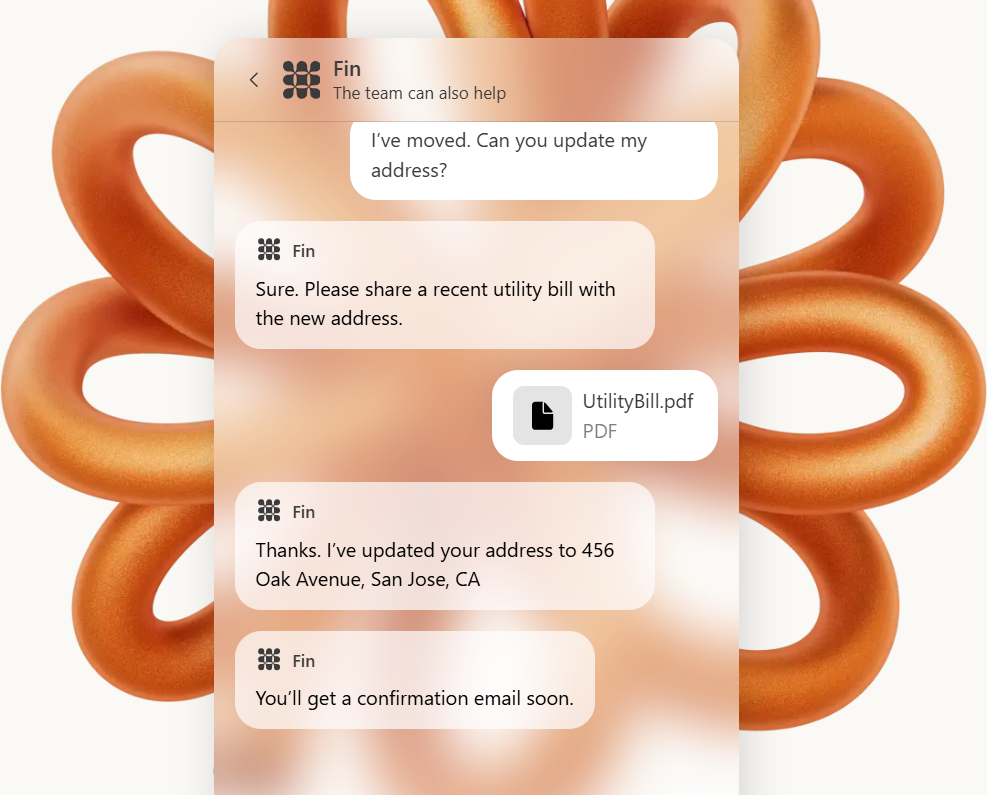
Intercom has been in the customer messaging business for over a decade and has spent the last few years rebuilding around its Fin AI agent. It is probably the most widely deployed product on this list, which cuts both ways.
Why it wins: Intercom's Fin agent is genuinely strong at resolving tier-one support tickets from a help center, and the broader platform covers ticketing and customer messaging well.
The trade-off, stated plainly: Intercom is a support product that does some sales things, not a sales product. If you used Drift to generate pipeline, Intercom will feel like it is pulling in a different direction. If you used Drift partly for support and partly for sales, this is a reasonable consolidation.
A lot of teams migrate here by default because they already have it. Worth checking whether you are solving the problem you actually had.
4. Chili Piper: best for inbound form routing and scheduling
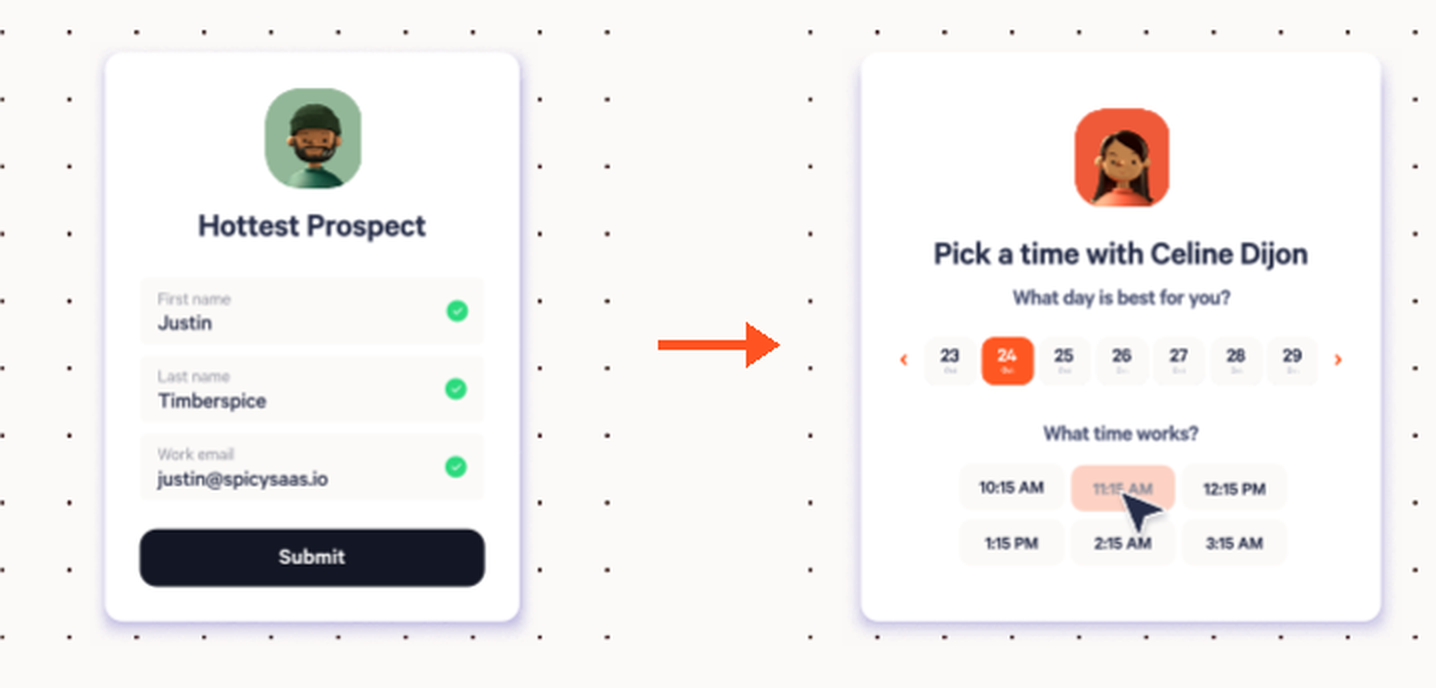
Chili Piper specializes in inbound lead routing and qualified scheduling directly from web forms and booking pages, making it a strong option for teams looking to replace Drift's meeting-booking flows without full conversational chat.
Why it wins: Concierge routes and books qualified leads instantly post-form submission based on complex CRM rules, distribution logic, and owner assignment.
The trade-off: It focuses primarily on form-based routing rather than conversational website chat, so teams seeking a traditional chat widget experience will need complementary tools.
5. 1mind: the officially named successor

1mind is a young AI sales company selling what it markets as digital teammates: video-first agents that run demos and join calls rather than sitting in a chat widget. Most Drift customers had not heard of it before March 2026.
Why it is on this list: Clari and Salesloft named 1mind as the exclusive successor and are referring Drift customers there. The product is marketed as AI "Superhumans," video-first digital sales teammates that run demos and join calls, with signals feeding back into Salesloft cadences.
If you are staying on the Salesloft stack, this is the sanctioned path and it will integrate most cleanly.
Three honest caveats. It is a narrower product than Drift was, focusing on digital sales agents rather than full conversational marketing capabilities. It is a newer product entry, meaning fewer reference deployments. Contract values sit at the enterprise end, making it less suitable for mid-market budgets.
Also worth noting what "successor" means here. Clari and Salesloft are referring customers, not migrating them. Evaluate it as you would any new vendor rather than as a continuation of what you had.
6. Warmly: best for de-anonymization and intent
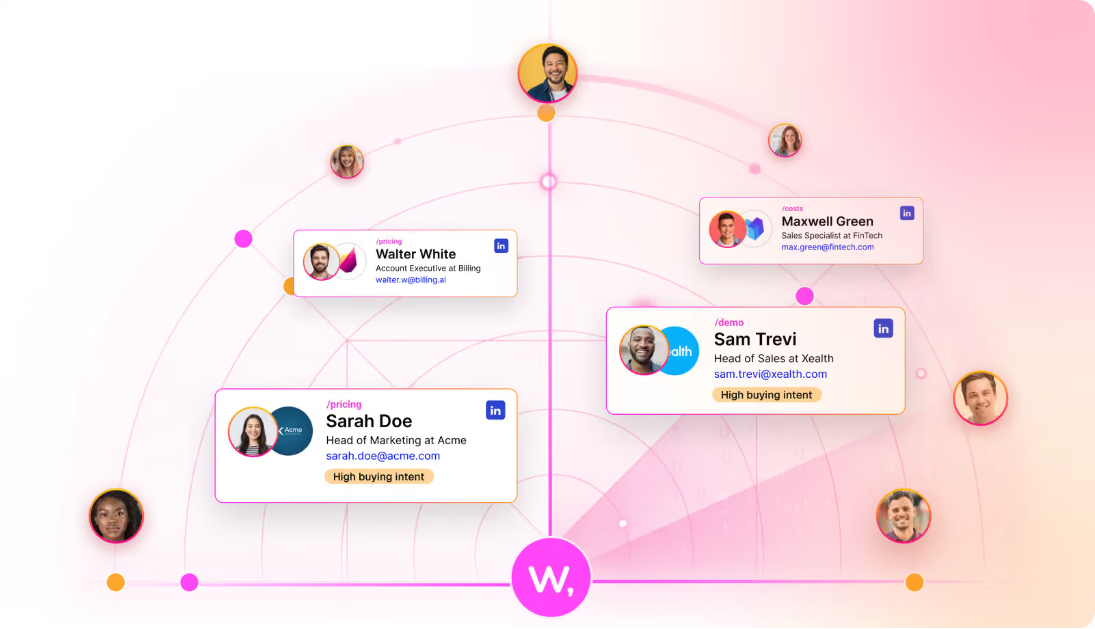
Warmly works on the identification side of the problem rather than the conversation side. It tells you who is on your site and how interested they appear to be, then leaves the outreach decision to you.
Why it wins: this covers the capability gap that 1mind does not. Warmly identifies anonymous website visitors, layers in intent signals, and lets you act on them, which is a meaningful part of what ABM teams used Drift for.
Best for: teams whose Drift use was more about knowing who was on the site than about chatting with them.
The trade-off: a different product shape from a chat widget, so expect your workflow to change rather than transfer.
7. HubSpot Sales and Service Hub: best if you already live in HubSpot
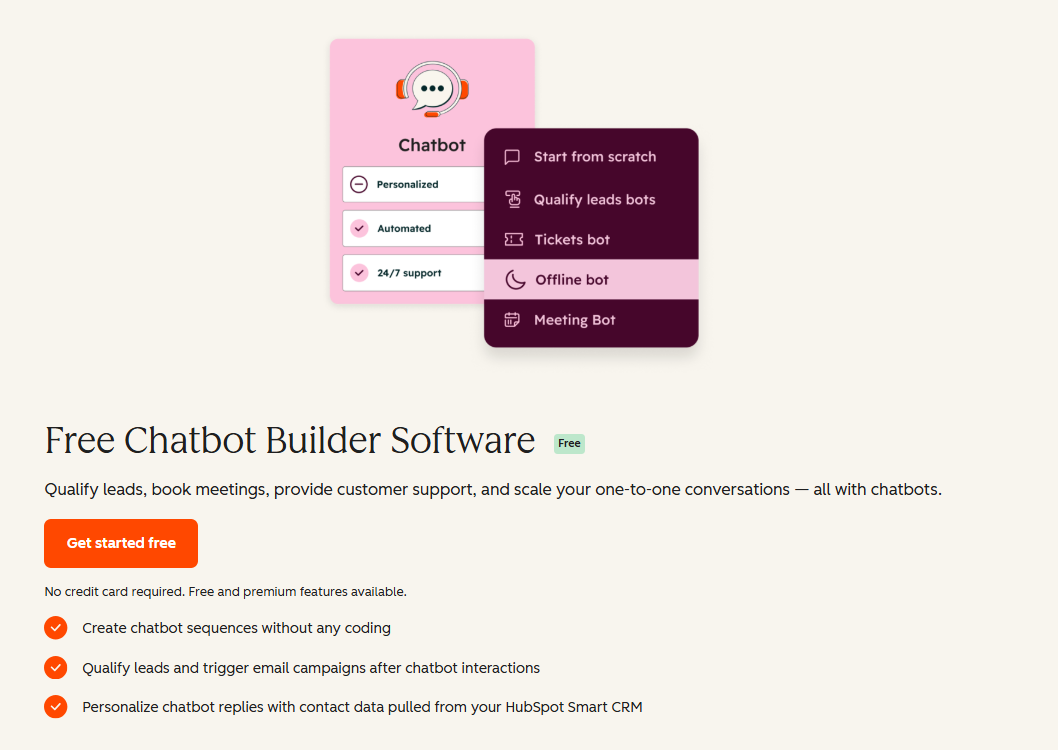
HubSpot's chat is not a standalone product so much as a feature of a CRM you may already be paying for. That framing matters, because it is rarely the best chat tool available and frequently the most sensible choice anyway.
Why it wins: if your CRM, marketing automation, and reporting already run in HubSpot, keeping chat in the same system removes an integration and keeps attribution clean.
The trade-off: HubSpot's chat leans on predefined flows rather than dynamic qualification, and the meeting-booking experience is functional rather than sophisticated. Fine for straightforward routing, limiting if your qualification logic has real branching in it.
8. Tidio and Crisp: best for startups and ecommerce
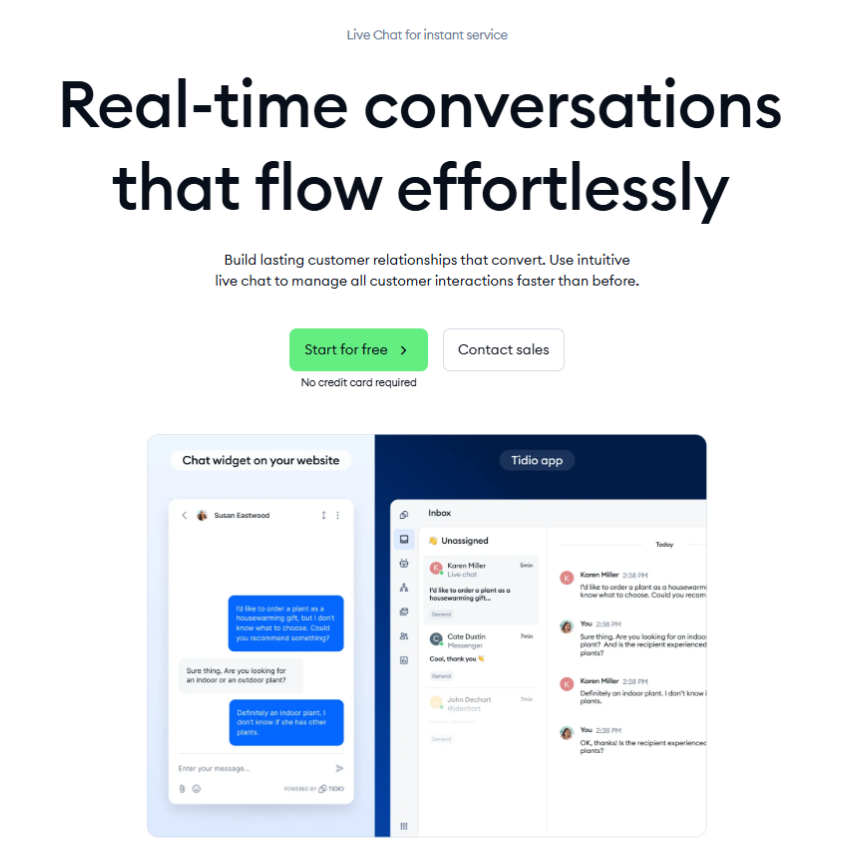
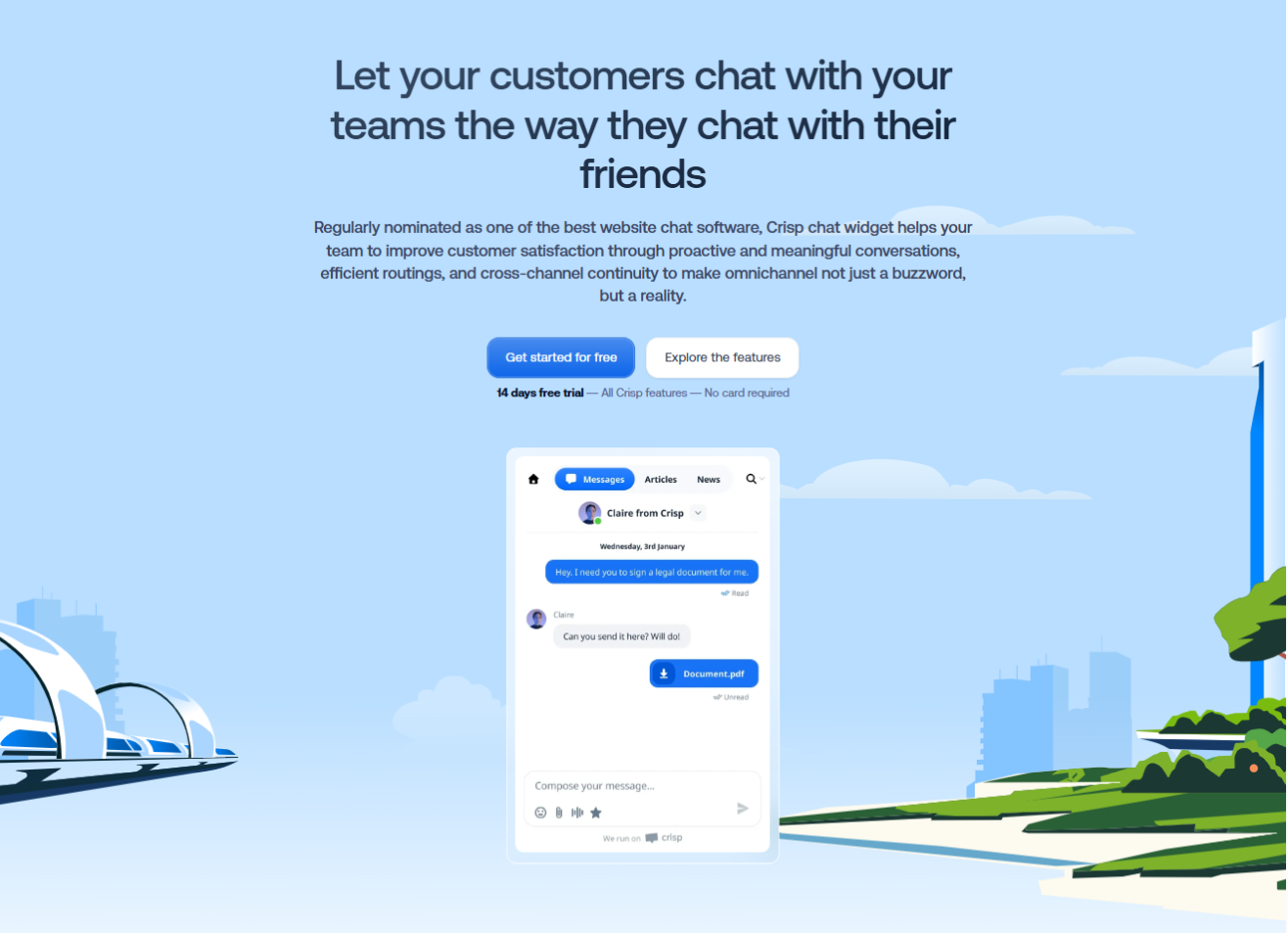
Both are live chat tools built for small businesses, with AI layers added over the last couple of years. They are grouped here because they solve the same problem at a similar price and neither was designed with B2B sales in mind.
Why they win: cheap, quick to deploy, and perfectly adequate for answering questions about shipping, sizing, and order status.
The trade-off: neither was built for B2B. No meaningful lead routing, no account-based logic, and calendar integration that stops well short of what a sales team needs. Good tools in the wrong category for most Drift refugees.
Decision matrix
The short version, if you want to skip the detail above.
|
Platform |
Primary focus |
Best CRM fit |
Price range |
|
OnceHub |
Qualification, routing, meeting booking |
Salesforce, HubSpot |
Accessible paid plans |
|
Qualified |
Enterprise ABM and de-anonymization |
Salesforce only |
Enterprise |
|
Intercom |
Support and ticketing |
Agnostic |
Mid-market |
|
1mind |
AI sales agents, named Drift successor |
Salesloft ecosystem |
Enterprise |
|
Warmly |
Visitor de-anonymization and intent |
Agnostic |
Mid-market |
|
HubSpot |
Chat inside an existing CRM |
HubSpot only |
Bundled |
|
Tidio, Crisp |
Ecommerce and SMB chat |
Shopify, basic |
Budget |
Pricing for several of these is quote-based rather than published, so treat the ranges as orientation and get a written quote.
One thing the table cannot show: how well each tool respects the scheduling rules behind the calendar it books into, such as buffers, working hours, and daily meeting limits.
What to ask before you switch
Five questions to take into every demo. The first one separates most of the field on its own.
Does it require a human to be available?
This is the question that separates the field. If your SDRs are in a meeting, asleep, or it is 9:00 PM on a Sunday, does the tool take a message or does it book a meeting?
Drift's weakness was that it assumed someone was there. Replacing it with another tool that makes the same assumption solves nothing. Choosing between taking a message and completing an instant booking directly impacts conversion efficiency.
What happens to leads that do not qualify?
The good answer is that they are routed somewhere useful automatically. The bad answer is that they land on a calendar anyway, and someone discovers the mismatch mid-call.
The worst answer is a vague one, which usually means the tool does not handle it at all.
What are you actually paying for?
Seats, conversations, or outcomes. A per-conversation model gets expensive at exactly the moment a campaign starts working, while a per-seat model stays predictable.
Work out your cost per booked meeting rather than comparing monthly prices, because that is the number your pipeline actually runs on.
Can you export your data?
Drift customers are being referred, not migrated, so nothing moves automatically.
Pull your conversation history, contact records, and routing configuration out while the tenant is still live. Doing it before you need it is considerably easier than doing it afterward.
How long until it is live?
A chat widget takes an afternoon. Qualification logic that mirrors what you built in Drift over three years takes longer.
Ask every vendor for a realistic timeline to match your current setup, not a timeline to a working demo.
Stop chatting, start booking
A sunset is an inconvenience and an opportunity in roughly equal measure. You are being forced to audit something most teams never revisit.
The question worth asking during that audit is not which tool most resembles Drift. It is whether the thing Drift did was working. If your chat widget was an expensive way to collect email addresses that an SDR followed up on two days later, replacing it with a better version of the same model will produce the same result.
Turn Website Visitors Into Booked Meetings
Don’t let qualified prospects leave without taking the next step. With OnceHub’s chatbot, qualify visitors, route them to the right representative, and book meetings directly in the conversation.
Frequently asked questions
Is Drift shutting down in 2026?
Drift is being gradually sunset rather than switched off. In early March 2026, Clari and Salesloft announced the wind-down of the Drift conversational marketing product and named 1mind as its exclusive successor, referring existing clients there. No end-of-life date has been published, and existing tenants are still being served, but active development has stopped, Salesloft is no longer selling it, and drift.com now redirects to Salesloft's chat agents page. Treat it as a wind-down and plan a migration rather than waiting for a deadline.
What is 1mind and how does it relate to Drift?
1mind is an AI sales company that Clari and Salesloft named as Drift's exclusive successor in March 2026, under an agreement to refer existing Drift customers there. It sells video-first AI sales agents that run demos and feed signals into Salesloft cadences. The important nuance is that customers are being referred rather than migrated, so nothing transfers automatically, and independent comparisons note 1mind is a narrower product than Drift, without de-anonymization, intent data, or outbound.
What is the best Drift alternative for booking sales meetings?
If the outcome you want is a meeting on an AE's calendar rather than an email in a queue, OnceHub is the closest fit. It screens visitors with questions you configure, surfaces the right rep's live availability inside the chat, and confirms the booking before the visitor leaves the page, with unqualified leads redirected to self-serve resources instead. Because availability checking and booking happen in one engine rather than through an outside calendar connection, two prospects cannot be offered the same slot.
Which Drift alternative is best for Salesforce users?
Qualified, provided your Salesforce implementation is in good shape. It is built natively on Salesforce rather than integrated with it, which is what makes its account matching and visitor de-anonymization work well for ABM teams. The dependency cuts both ways: if your CRM data is incomplete, the account matching will be too. Teams that want Salesforce compatibility without Salesforce dependency are usually better served by a CRM-agnostic tool such as OnceHub, whose routing forms can look up the existing account owner in Salesforce or HubSpot at the moment of booking and route the meeting to that rep.
What is the difference between Intercom and Drift?
Intercom is a customer support platform first, built around ticketing, help center content, and resolving existing customer questions, with its Fin agent handling tier-one support well. Drift was a sales platform built to engage anonymous website visitors and generate pipeline. Teams migrating from Drift to Intercom often find it capable but pointed at a different job. If pipeline generation was your reason for having Drift, a sales-focused replacement will fit better.
How do I migrate off Drift without losing pipeline?
Export first, then switch. Because customers are being referred rather than migrated, pull your conversation history, contact records, and routing configuration out while the tenant is still live. Then run the replacement in parallel on one high-intent page before cutting over everything, so you can compare booked meetings rather than guessing.